Begin Your Journey!
Foundation Diploma in Art & Design
Overview
Level
Why Diploma?
Requirements
Progression
More info
Enquire now
Overview
The body is our starting point
A structure, a surface, a tool, a performance, a digital form, an identity.
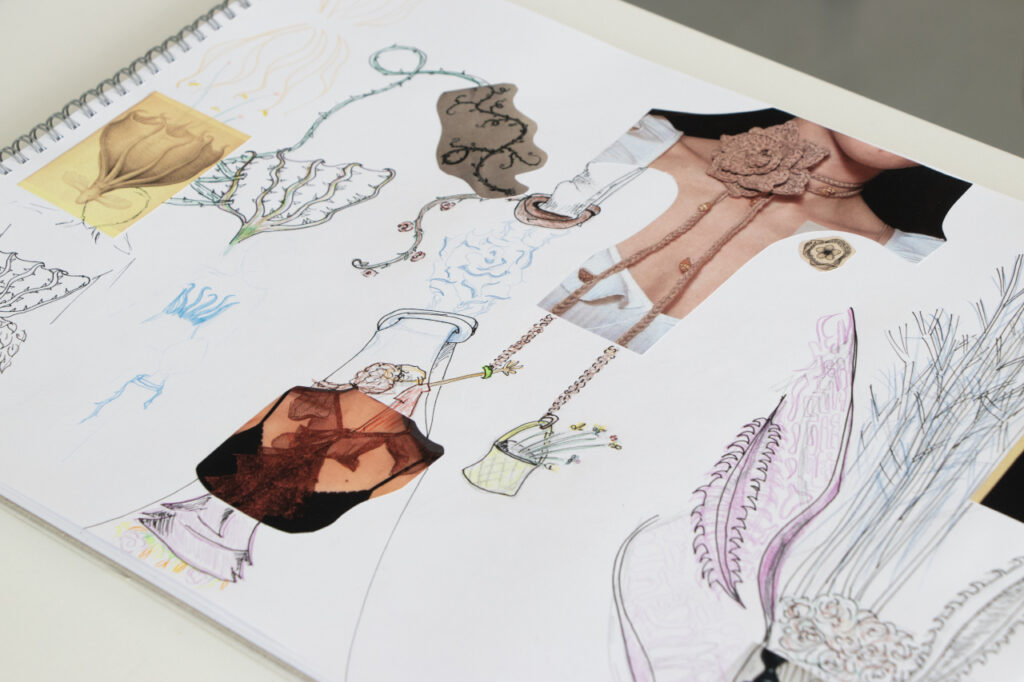
Through hands-on making, material experimentation, and contemporary art practice, you will explore sculpture, spatial design, body ornament, installation, and 3D making. You will develop ambitious ideas through process, research, and critique.
At BAJ, you will learn in a specialist creative environment, supported by experienced tutors and practising creatives, developing your ideas, confidence, thinking, and progression to your chosen pathway.
The UAL Foundation Diploma in Art & Design is designed to help you develop your creative practice, build a diverse portfolio, and prepare for progression to higher education or employment.
This course is right for you if you think visually, enjoy making and experimenting with materials and ideas, and are interested in fashion, jewellery, sculpture, installation, performance, or digital art.
Qualification:
Level 3 Foundation Diploma in Art & Design (UAL)
Level 4 Foundation Diploma in Art & Design (UAL)
Awarding body:
University of the Arts London (UAL)
Location:
London
Study mode:
Blended (3 days a week on campus)
Tuition fee:
Home: £6,421
International: £10,160
Next start date:
Autumn 2026
Delivered in partnership with

Which Foundation Qualification Is Right For You
At BAJ, we offer two UAL Foundation Diploma qualifications.
Level 3
For home students
Build your creative skills and prepare for progression to higher education or a future career in the creative industries. The UAL Level 3 Foundation Diploma in Art & Design is ideal for those beginning their creative journey, providing the opportunity to explore specialist pathways, develop practical and critical skills, and build a strong portfolio for university application and future progression.
This qualification may be right for you if you:
- Are a UK/home student
- Have completed A Levels, a BTEC or equivalent qualifications
- Need to develop a portfolio for degree-level applications
- Explore a range of techniques and materials while developing your chosen specialism for university study
- Want to gain UCAS Tariff points for university applications
- Are considering progression to a creative degree
- Pass: 80 points
- Merit: 96 points
- Distinction: 112 points
- Unit 1: Diagnostic Investigation into Creative Practice (Level 3)
- Unit 2: Developing Specialist Practice (Level 3)
- Unit 4: Consolidating Practice (Level 4)
Level 4
For international students aged 18+
Develop a more independent, specialist practice.
The UAL Level 4 Foundation Diploma in Art & Design covers similar areas of study as the Level 3 Foundation Diploma but is assessed at a higher academic level, with greater emphasis on independent learning, critical thinking, and specialist practice.
This qualification may be right for you if you:
- Are an international student aged 18+
- Already have art, design, or creative experience
- Want to strengthen and refine your portfolio
- Are comfortable working independently
- Are preparing for progression to a creative degree programme
- Unit 1: Diagnostic Investigation into Creative Practice (Level 3)
- Unit 3: Developing Specialist Practice (Level 4)
- Unit 4: Consolidating Practice (Level 4)
Not sure which qualification is right for you? Get in touch, and our recruitment team will help you choose the most suitable option.
Enquire now
Five creative pathways across Level 3 and Level 4
Fashion, jewellery, wearable sculpture, textiles, and surface.
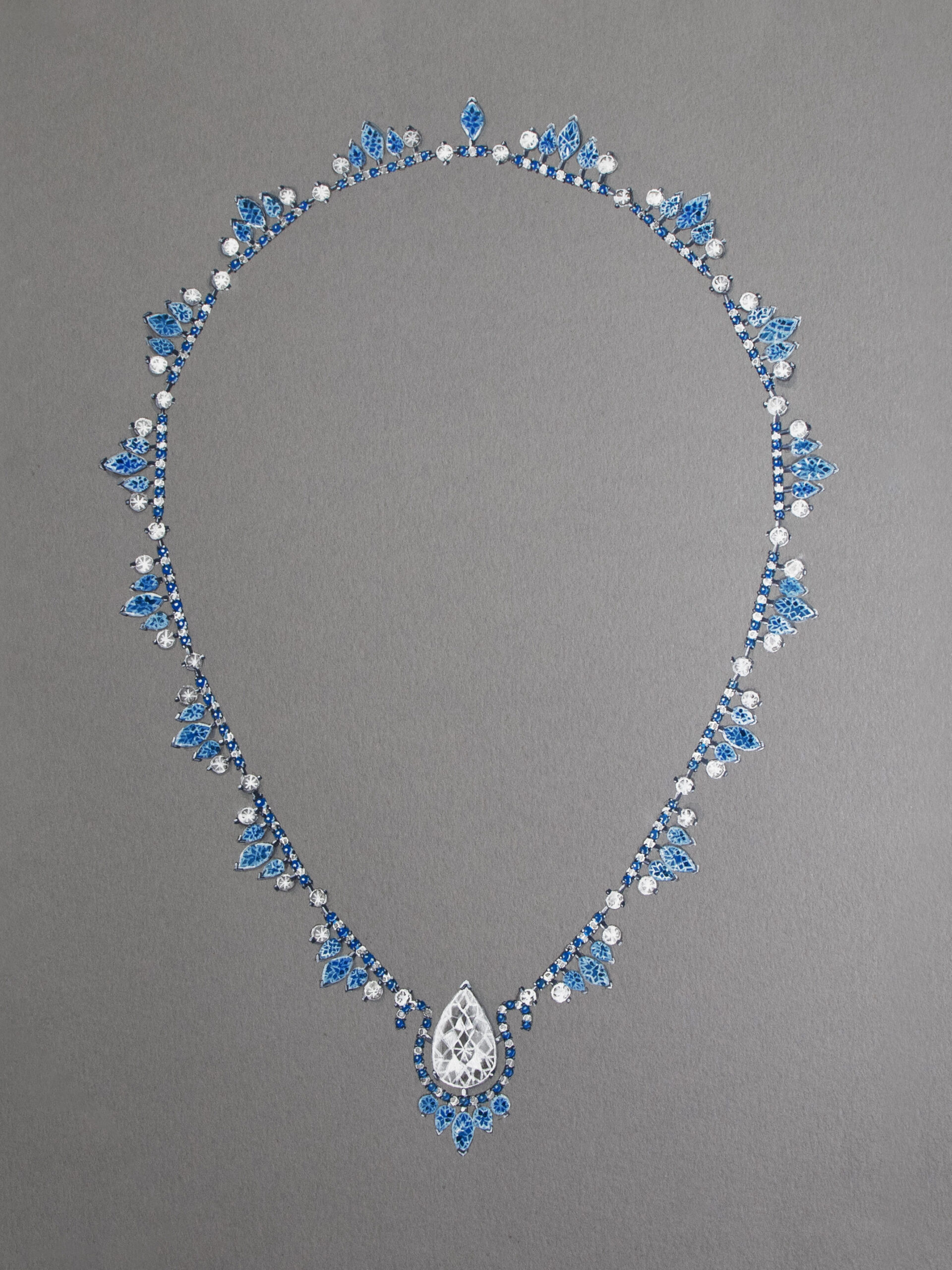
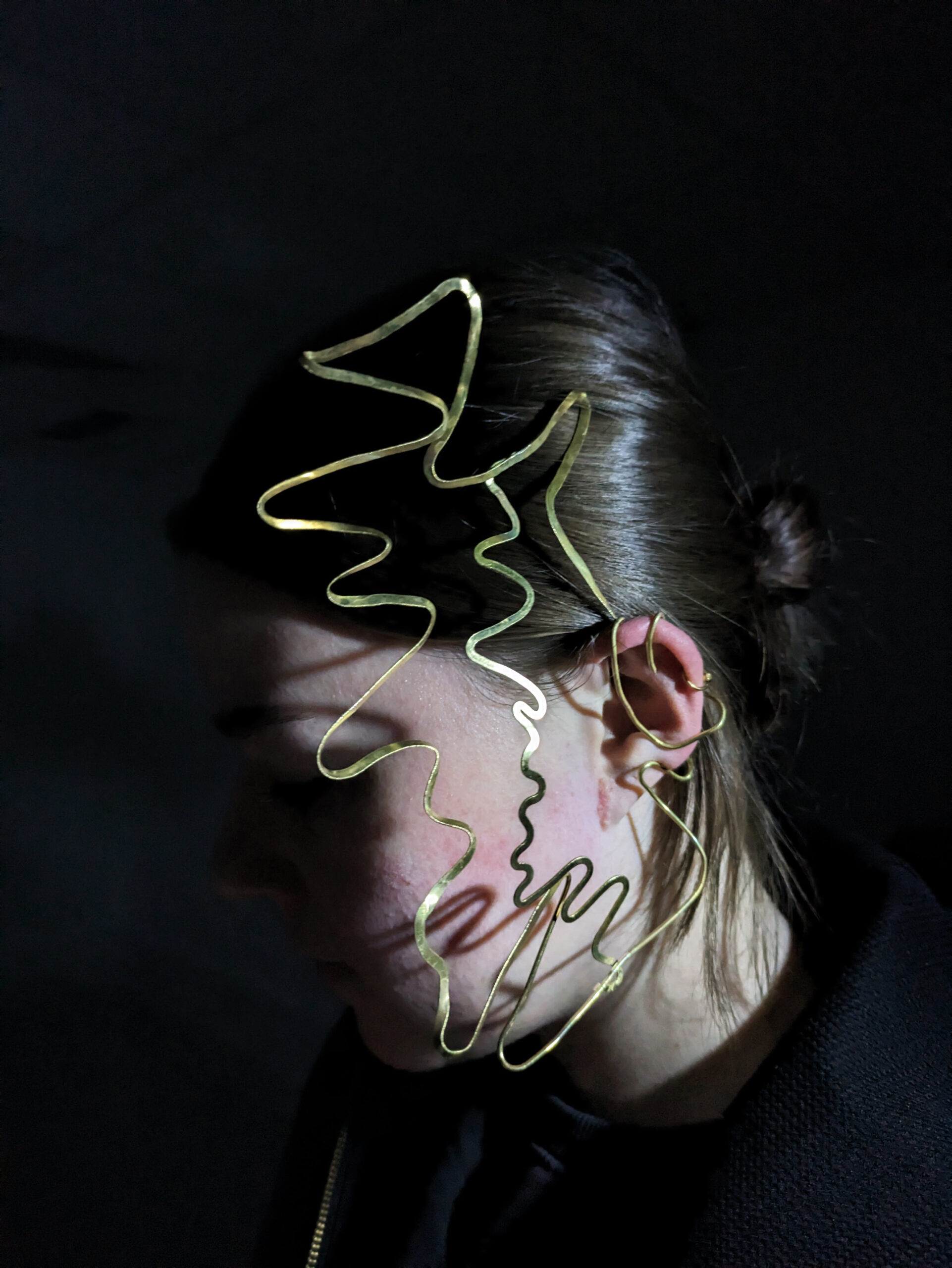
This pathway explores how and why we decorate, modify, and present the body. From cultural traditions to contemporary self-expression, learners are invited to investigate adornment as a form of identity, status, ritual, and communication. Materials, symbolism, and personal narrative are used to question what it means to “wear” meaning on the body.
Installation, architecture, environments, and sculptural intervention.
By exploring the relationship between the body and its environment, this pathway introduces spatial thinking through architecture, installation, and design.
Learners consider scale, proportion, environmental factors, sustainability, and movement, creating spaces, structures, or layouts that respond to human presence and interaction.
Labour, repetition, process, making, and physical interaction.
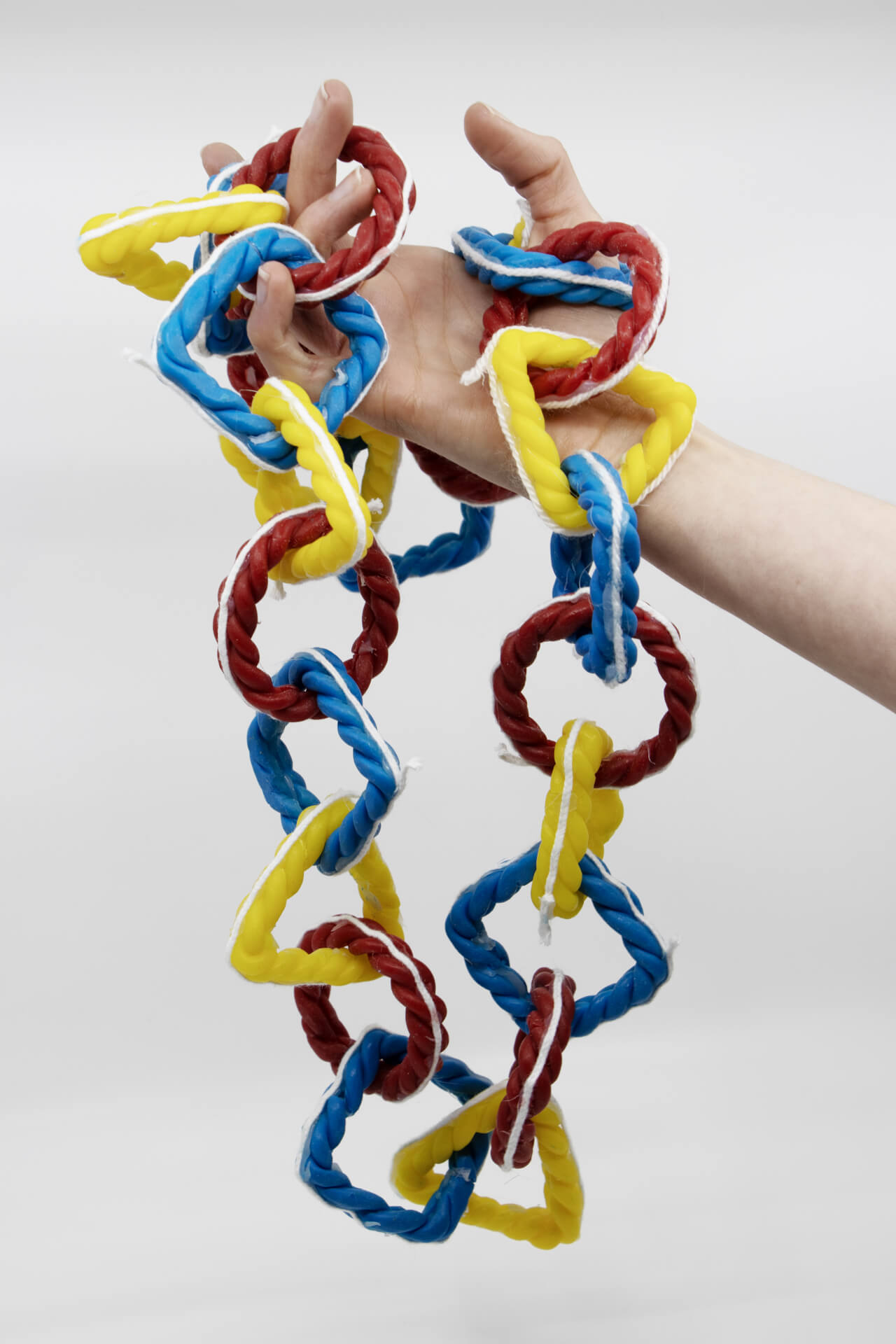
This pathway explores the body as an instrument for making, testing and interacting with the world. Learners investigate the physical process through 3D design, experimenting with materials, construction, and making techniques. The body becomes both a measure and a generator of form, encouraging work that responds to scale, ergonomics, labour, and human interaction. The process highlights the relationship between action and outcome.
Movement, gesture, theatre, live art, and performance practice.
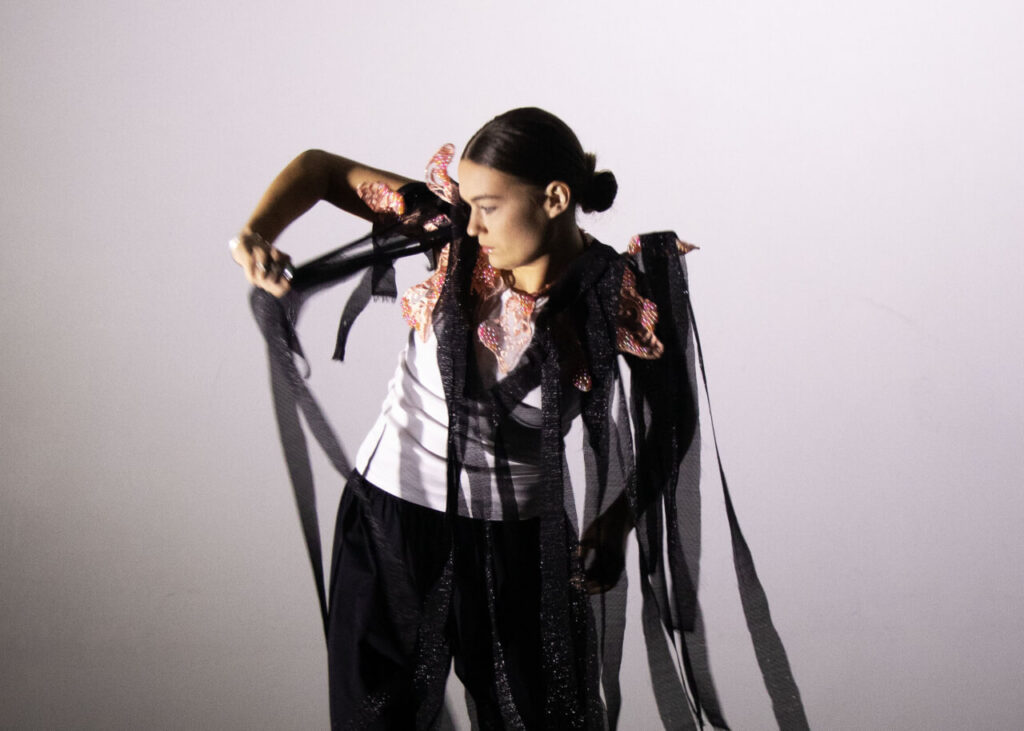
This pathway focuses on the body as a medium for expression through movement, action, and time. Drawing from dance, performance art, and conceptual practices, students create work that exists in live or documented form.
Emphasis is placed on presence, narrative, and the ephemeral nature of performance.
3D modelling, virtual identity, avatars, and digital space.
This pathway investigates how the body exists, performs, and is represented within digital and virtual environments. Learners can explore 3D modelling, digital spaces, gaming, augmented and virtual reality, and the impact of technology on identity and interaction. The pathway encourages experimentation with virtual worlds, avatars, and immersive experiences, questioning how digital design reshapes our understanding of the body and reality.
Applying Process
Why Choose to Study a Foundation Diploma in Art & Design
The Foundation Diploma in Art & Design offers an immersive learning experience in 3D design and materials. Through project work, material experimentation, and critical evaluation, you’ll develop essential skills in design principles and visual communication. This course not only prepares you for a career in jewellery design but also equips you with a strong foundation in broader art and design disciplines.
With a focus on creative practice, the course begins with a diagnostic investigation, allowing you to explore various artistic disciplines and identify your strengths. As you progress, you’ll specialise and take full control of a project within your chosen field, gaining the independence and expertise needed for success for further study and a career in the creative industry.
Enquire now
Why Choose to Study at BAJ?
Choosing to study a Foundation at the British Academy of Jewellery means stepping into a hub of curiosity, craft, and cutting‑edge 3D thinking. Here, you’ll explore form on every scale, from sculptural ideas that fill space to wearable concepts. At BAJ, the body can be both a site of investigation and an immediate tool for making.
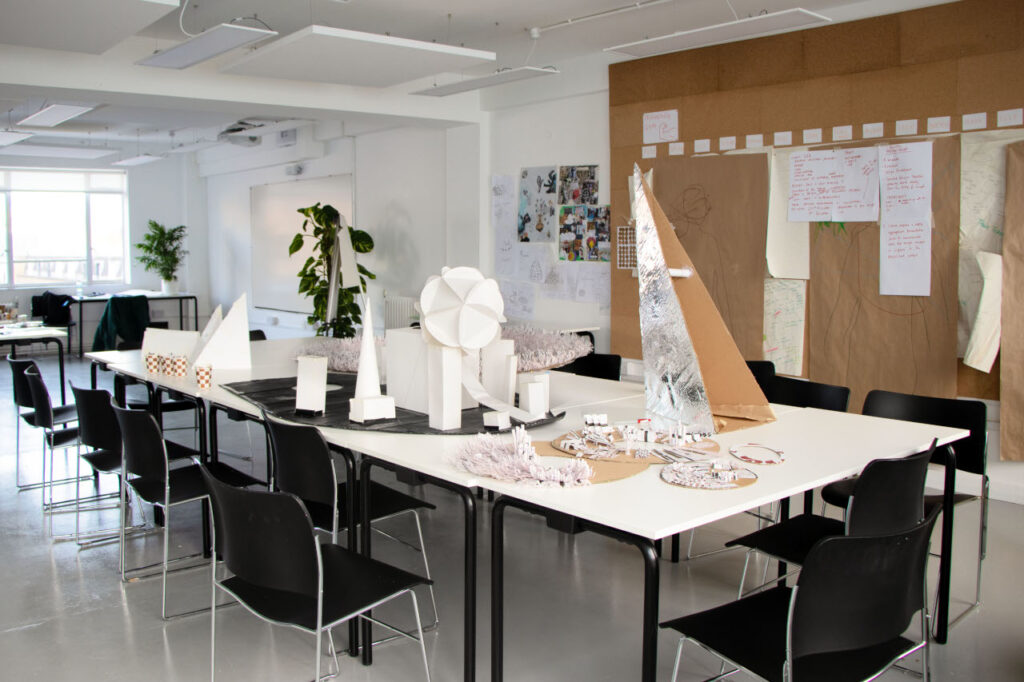
You’ll learn within a community of expert tutors and technical specialists who live and breathe 3D design and have a broad understanding of a variety of materials. Surrounded by specialist equipment, studios, and workshops, you’ll gain the confidence to experiment, prototype, and push materials in new directions. Whether your interests lean toward sculpture, fashion, digital design, or jewellery, you’ll build the core skills needed to translate ideas into compelling physical form.
This is a place to stretch your creativity, refine your craft, and join a vibrant environment dedicated to the future of 3D making.
Enquire now
Entry requirements
There are no formal entry requirements for these qualifications. However, UAL, the Awarding Body, recommends that students have a minimum of:
-
5 × GCSEs at grade 4 or grade C, including Maths and English. -
One A level or equivalent Level 3 qualification, preferably in a relevant creative subject.
International students are expected to demonstrate that they have a good level of written and spoken English with a recommended minimum IELTS (or equivalent) score of 5.0.
For September 2026 entry, you will be required to submit:
-
A digital portfolio of your work (max 20 pages) -
A personal statement (max 500 words)
Register your interest while we finalise arrangements for international applications for September 2026 entry in line with UK visa requirements.
Fees & funding
The course can be privately funded.
-
Home students: £6,421* -
Overseas students: £10,160
*Free for eligible under-19s, subject to funding criteria.
Contact us at info@baj.ac.uk to check eligibility.
Please click here for information about additional costs
Guidance
Guidance to support your portfolio preparation.
Planning to study in the UK?
At BAJ, we celebrate diversity and are committed to helping you feel welcome, supported, and confident as you settle into life and study in the UK. From your first enquiry to your first day on campus, we’re here to support you every step of the way.
International support
What You Will Learn
The Foundation Diploma in Art and Design is a qualification that provides a transition from general to specialist art and design education.
Innovation
You will explore a range of idea-generation techniques, including mind mapping, sketching, designing, and model-making. You will use primary and secondary research to develop and refine creative ideas, and articulate your decision-making through presentations, discussions, and critique.
Professional practice
You will develop key employability skills, including critical thinking, problem-solving, and collaborative working. You will build confidence in communication, interpersonal, and presentation skills.
History and theory
To develop your ideas and respond effectively to project briefs, you will undertake historical and contextual research. Through self-reflection, critical analysis, and communication of ideas, you will develop an understanding of your work within a contemporary context.
You’ll explore:
- – Foundation jewellery skills, including piercing, hammering, and forming
- – Sculpture and construction
- – Textile manipulation
- – Body casting and mould making
- – Digital modelling and 3D software
- – Performance and movement
- – Installation building
- – Photography and documentation
- – Drawing and idea development
- – Research and experimentation
- – Painting, collage, sketching and life drawing
On completion of the UAL Level 3 Foundation Diploma in Art and Design, you will have the skills and understanding needed to progress to:
Higher education – this Level 3 qualification is intended to carry UCAS points and be recognised by higher education providers as meeting admission requirements to a range of BA (Hons) courses.
Employment or apprenticeships – the skills developed throughout these qualifications may support students to progress into appropriate entry level roles, training programmes or higher apprenticeships, or self‑employment in the creative sector.
You are advised to check specific entry requirements with higher education providers.
Foundation
Level 3
Unit 1: Diagnostic Investigation into Creative Practice
This unit introduces you to a broad range of visual language and creative practices across art, design, craft, and media. You will undertake a diagnostic investigation that allows you to explore and experiment within a range of creative disciplines as part of your development towards future specialism.
You will be required to develop your visual language, research methods, contextual awareness, and evaluative ability. You will engage in planning, recording, analysis, and reflection to effectively support and communicate your creative work.
This unit provides the opportunity to safely and effectively explore a wide range of art and design materials, methods, and technologies within a professional studio environment.
29 credits
Unit 2: Developing Specialist Practice
This unit provides you with the opportunity to reflect on the knowledge, skills, and practices developed in Unit 1. You will begin to define your creative ambitions through a more focused and holistic approach, supporting and positioning your work within a chosen specialist practice.
You will be required to engage with a range of creative activities that help contextualise your ideas and develop your creative direction. This unit also supports the transition towards your final project by encouraging more personal investigation into your chosen area of study.
You will begin to develop the professional skills necessary for progression within your selected specialist practice.
46 credits
Unit 3: Consolidating Practice
This unit provides you with the opportunity to take control of your own learning and demonstrate your achievement through the independent initiation, research, completion, and evaluation of a project proposal and its realisation within a chosen professional context.
The choice of subject, research activity, and creative direction will be defined by you. You will be expected to take responsibility for managing and developing your work, with support provided through tutorials and seminars.
You will demonstrate your ability to plan, develop, and evaluate a sustained creative project while responding appropriately to your chosen area of practice.
45 credits
Diagnostic Investigation into Creative Practice
30 credits
In this Unit, students will undertake a diagnostic investigation into visual language and creative practices. This exploratory investigation allows students to become familiar with and experiment within a wide range of (art, design, craft and media) creative disciplines as part of their journey to, or reinforcement of, specialism in Unit 2 or Unit 3.
The content for this unit is not restricted to but will typically cover the following:
- Investigations into research methods, including ethical perspectives.
- Analysis of creative practice.
- Application of creative theory in support of practice.
- Exploratory and experimental investigations into manual and/or digital techniques, processes and creative practices.
- Application of materials, techniques and processes for a variety of creative practices and audiences.
- Investigations into the relationship between ideas, visual language and purpose.
Developing Specialist Practice
30 credits
This Unit will provide students with the opportunity to reflect on the knowledge, skills and practices they have developed in Unit 1 of the qualification, and to define their creative ambitions by encouraging a holistic approach to a range of activities, which will support, contextualise and position their creative endeavour within their chosen specialist practice.
Consolidating Practice
30 credits
Typical activities that students will be engaged with may include: workshops, location‑based activities such as field trips and gallery visits, planning, critical thinking and writing, practical exploration and experimentation, presentations etc.
30 credits
In this Unit, students will undertake a diagnostic investigation into visual language and creative practices. This exploratory investigation allows students to become familiar with and experiment within a wide range of (art, design, craft and media) creative disciplines as part of their journey to, or reinforcement of, specialism in Unit 2 or Unit 3.
The content for this unit is not restricted to but will typically cover the following:
- Investigations into research methods, including ethical perspectives.
- Analysis of creative practice.
- Application of creative theory in support of practice.
- Exploratory and experimental investigations into manual and/or digital techniques, processes and creative practices.
- Application of materials, techniques and processes for a variety of creative practices and audiences.
- Investigations into the relationship between ideas, visual language and purpose.
30 credits
This Unit will provide students with the opportunity to reflect on the knowledge, skills and practices they have developed in Unit 1 of the qualification, and to define their creative ambitions by encouraging a holistic approach to a range of activities, which will support, contextualise and position their creative endeavour within their chosen specialist practice.30 credits
Typical activities that students will be engaged with may include: workshops, location‑based activities such as field trips and gallery visits, planning, critical thinking and writing, practical exploration and experimentation, presentations etc.
Foundation
Level 4
Unit 1: Diagnostic Investigation into Creative Practice
This unit aims to provide you with the opportunity to explore a broad range of creative practices and to develop an understanding of how different art, design, and media disciplines are connected.
You will be required to develop knowledge, skills, and understanding through engagement with a variety of creative approaches and processes. You will be expected to develop independent working practices and make informed creative decisions.
29 credits
Unit 2: Developing Specialist Practice
This unit aims to provide you with the opportunity to build on previous learning and to develop a more focused approach to your creative practice within a chosen specialist area.
You will be required to research, develop, and refine ideas through experimentation and critical evaluation. You will be expected to begin to identify and define your own creative direction.
46 credits
Unit 3: Consolidating Practice
This unit aims to provide you with the opportunity to independently plan, develop, and realise a sustained creative project from proposal to outcome.
You will be required to manage your own learning and demonstrate the ability to develop, refine, and evaluate a body of work within a chosen specialist context.
45 credits
Diagnostic Investigation into Creative Practice
30 credits
In this Unit, students will undertake a diagnostic investigation into visual language and creative practices. This exploratory investigation allows students to become familiar with and experiment within a wide range of (art, design, craft and media) creative disciplines as part of their journey to, or reinforcement of, specialism in Unit 2 or Unit 3.
The content for this unit is not restricted to but will typically cover the following:
- Investigations into research methods, including ethical perspectives.
- Analysis of creative practice.
- Application of creative theory in support of practice.
- Exploratory and experimental investigations into manual and/or digital techniques, processes and creative practices.
- Application of materials, techniques and processes for a variety of creative practices and audiences.
- Investigations into the relationship between ideas, visual language and purpose.
Developing Specialist Practice
30 credits
This Unit will provide students with the opportunity to reflect on the knowledge, skills and practices they have developed in Unit 1 of the qualification, and to define their creative ambitions by encouraging a holistic approach to a range of activities, which will support, contextualise and position their creative endeavour within their chosen specialist practice.
Consolidating Practice
30 credits
Typical activities that students will be engaged with may include: workshops, location‑based activities such as field trips and gallery visits, planning, critical thinking and writing, practical exploration and experimentation, presentations etc.
30 credits
In this Unit, students will undertake a diagnostic investigation into visual language and creative practices. This exploratory investigation allows students to become familiar with and experiment within a wide range of (art, design, craft and media) creative disciplines as part of their journey to, or reinforcement of, specialism in Unit 2 or Unit 3.
The content for this unit is not restricted to but will typically cover the following:
- Investigations into research methods, including ethical perspectives.
- Analysis of creative practice.
- Application of creative theory in support of practice.
- Exploratory and experimental investigations into manual and/or digital techniques, processes and creative practices.
- Application of materials, techniques and processes for a variety of creative practices and audiences.
- Investigations into the relationship between ideas, visual language and purpose.
30 credits
This Unit will provide students with the opportunity to reflect on the knowledge, skills and practices they have developed in Unit 1 of the qualification, and to define their creative ambitions by encouraging a holistic approach to a range of activities, which will support, contextualise and position their creative endeavour within their chosen specialist practice.30 credits
Typical activities that students will be engaged with may include: workshops, location‑based activities such as field trips and gallery visits, planning, critical thinking and writing, practical exploration and experimentation, presentations etc.
Apply now
Course specification
Careers and Progression
This course prepares you for progression onto creative BA (Hons) degree courses, including:
– Jewellery Manufacturing and Design
– Fine Art
– Fashion
– Costume
– Sculpture
– Architecture
– Digital Arts
– Set and Spatial Design
– Performance and Live Art
– Textile Design
– Creative Technologies
Meet the Team
More info
Contact
Where You Can Study
81-84 Chalk Farm Rd, London NW1 8AR
231-233 North Gower Street, London NW1 2NR
Student Work
More Information
The British Academy of Jewellery offers a range of student services and Academic support.
Student Services and Administration provide a range of support, information, and specialist services to enhance your student experience.
The Student Welfare and Support Officer can advise on academy policies and procedures, any concerns, emotional or personal difficulties and provide information on external support services.
The course is fast-paced and focused, and you will work within dedicated studio facilities. A range of teaching methods are used throughout the course, including workshops, studio-based projects, seminars, lectures, discussion groups, project critiques, technical inductions, peer and self-assessment, individual and group presentations, and writing.
At our London campuses, you will have access to professional-quality workshop spaces and a range of technologies to gain familiarity with professional equipment.
Assessment is both summative and formative. Primarily, summative assessment is intended to identify what has been learned (assessment of learning) and therefore the assessed mark counts towards the module grade awarded. Formative assessment is intended to help students to learn (assessment for learning) and provides opportunities for students to identify their strengths and weaknesses, focus on areas they need to work and improve, and identify how to achieve improvements.
Formative assessments will take place at several intervals during the course. Feedback, both formal and informal, is maximised throughout the programme and may take the form of individual tutorials, presentations, essays, shows and degree exhibits, portfolios, and module assessments. Students are given regular feedback/feed-forward through interaction in the studios in the development of projects, tutorials, group crits, and practice presentations.
Book a tour
Book a tour

Attend an open day
Attend an open day
Apply now
Read policies
News About This Course
Keep up to date with the latest.
In line with the Consumer Act, we reserve the right to close a course – if there are insufficient student numbers to make the course financially viable.